
- +27 82 786 4222
- info@drdeevetconsult.com
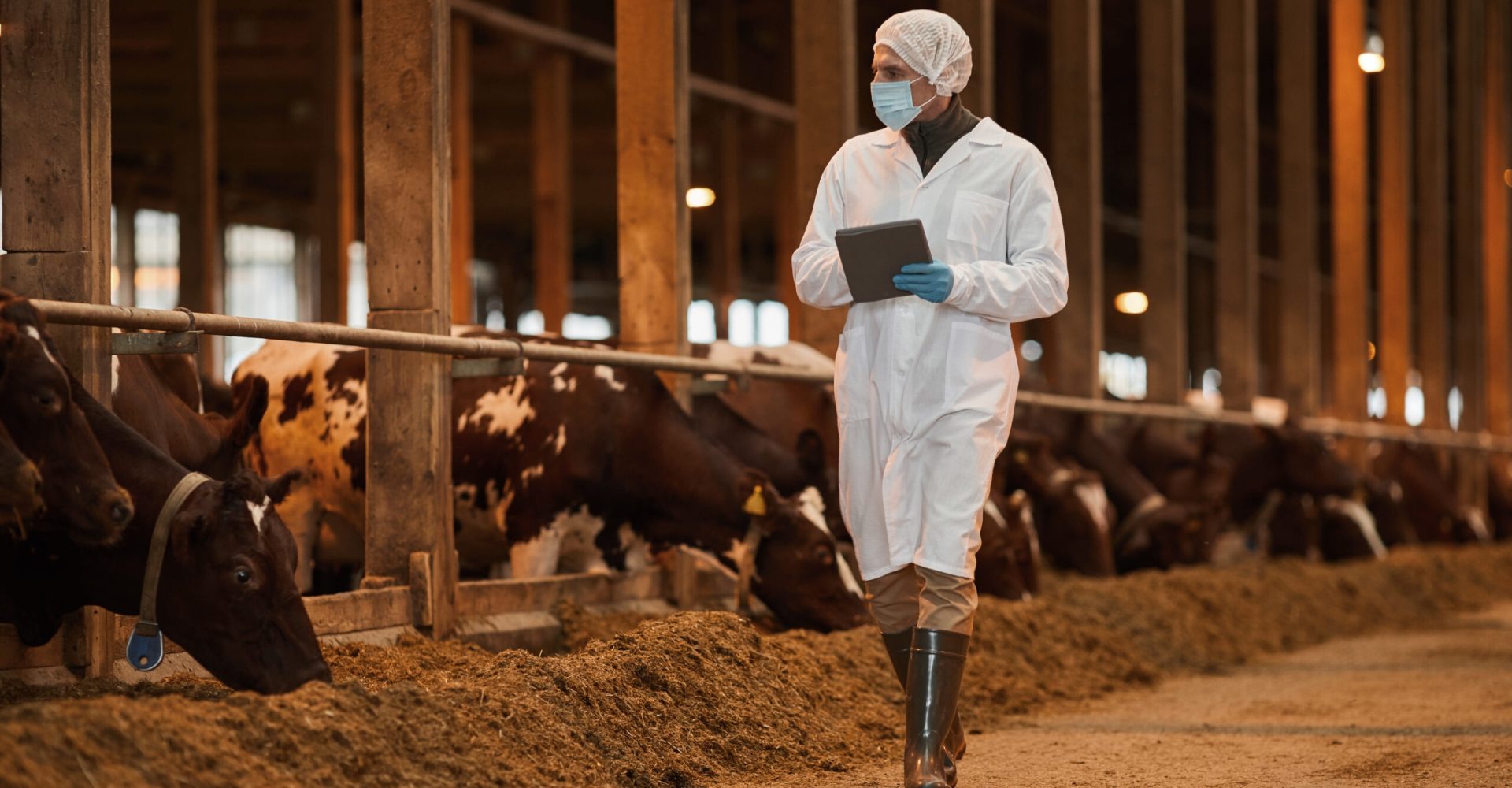
Awareness on Zoonotic Diseases: Protecting Public Health and Livestock
Zoonotic diseases, also known as zoonoses, are infections that are transmitted from animals to humans. These diseases pose a significant threat to both public health and the agricultural industry, making awareness and prevention crucial for farmers, veterinarians, and the general population. As our global population grows, so does our interaction with animals, increasing the risk of zoonotic disease transmission.
What Are Zoonotic Diseases?
Zoonotic diseases are caused by bacteria, viruses, parasites, or fungi that can be transferred between animals and humans. Common zoonoses include diseases like rabies, avian influenza, salmonella, and brucellosis. Some of these diseases can cause severe illness or even death in humans, while others may result in substantial economic losses for farmers due to infected livestock.
Why Is Awareness Important?
- Health Risks to Humans
Zoonotic diseases can spread through direct contact with animals, their waste, or through consumption of contaminated food products like meat, milk, or eggs. In some cases, these diseases can also be transmitted via insects such as ticks or mosquitoes. Educating the public and those who work with animals about how zoonoses spread is essential to minimize human exposure and prevent outbreaks. - Impact on Agriculture
Zoonotic diseases can severely impact livestock health and productivity. Infected animals may need to be culled, leading to economic losses for farmers. Moreover, some zoonoses, such as Foot-and-Mouth Disease, can devastate entire herds, further harming the agricultural industry. This makes biosecurity measures and early detection critical in farm settings. - One Health Approach
Zoonotic diseases highlight the interconnectedness of human, animal, and environmental health. A “One Health” approach—where experts from different sectors work together to monitor and combat zoonotic threats—helps in addressing these challenges comprehensively. Awareness of zoonotic diseases promotes collaboration between veterinarians, health professionals, and policymakers to mitigate risks effectively.
Prevention and Control Measures
- Good Hygiene Practices
Simple hygiene measures, such as washing hands after contact with animals, wearing protective gear, and properly cooking animal products, can significantly reduce the risk of zoonotic disease transmission. Farmers and pet owners should also ensure their animals are regularly vaccinated and treated for parasites. - Vaccination and Veterinary Care
Vaccination plays a crucial role in controlling zoonotic diseases, particularly for those diseases that are preventable through veterinary interventions, such as rabies. Farmers and animal handlers should work closely with veterinarians to maintain the health of their livestock and pets. - Biosecurity Measures on Farms
Implementing strict biosecurity protocols can help prevent the spread of zoonotic diseases in farm environments. This includes monitoring animal health regularly, controlling access to farms, disinfecting equipment, and isolating sick animals to prevent outbreaks from spreading. - Awareness and Education
Farmers, veterinarians, and those in close contact with animals should be educated on the signs and symptoms of zoonotic diseases. Public awareness campaigns can help people understand how their actions can affect both animal and human health. This knowledge can empower communities to take preventive actions and report any unusual disease outbreaks quickly.
Conclusion
Awareness of zoonotic diseases is vital to protecting public health, safeguarding the agricultural industry, and promoting animal welfare. Through preventive measures, education, and a One Health approach, we can minimize the risks associated with zoonotic diseases and build a healthier, safer world for both animals and humans. By staying informed and adopting best practices, we can ensure a more resilient and sustainable future for all.
Dr Dee’s Veterinary Consultancy is dedicated to providing expert advice and solutions to protect both animal health and human safety. Contact us to learn more about how we can help your farm or business implement best practices for managing zoonotic disease risks.
© 2024 Dr Dee’s Veterinary Consultancy • All Rights Reserved